AI for Marketing: Personalization Without Losing the Human Touch
Learn how businesses use AI for marketing personalization without making campaigns feel robotic or impersonal to customers.
By Aptagon Technologies · February 28, 2026 · 2 Min Read
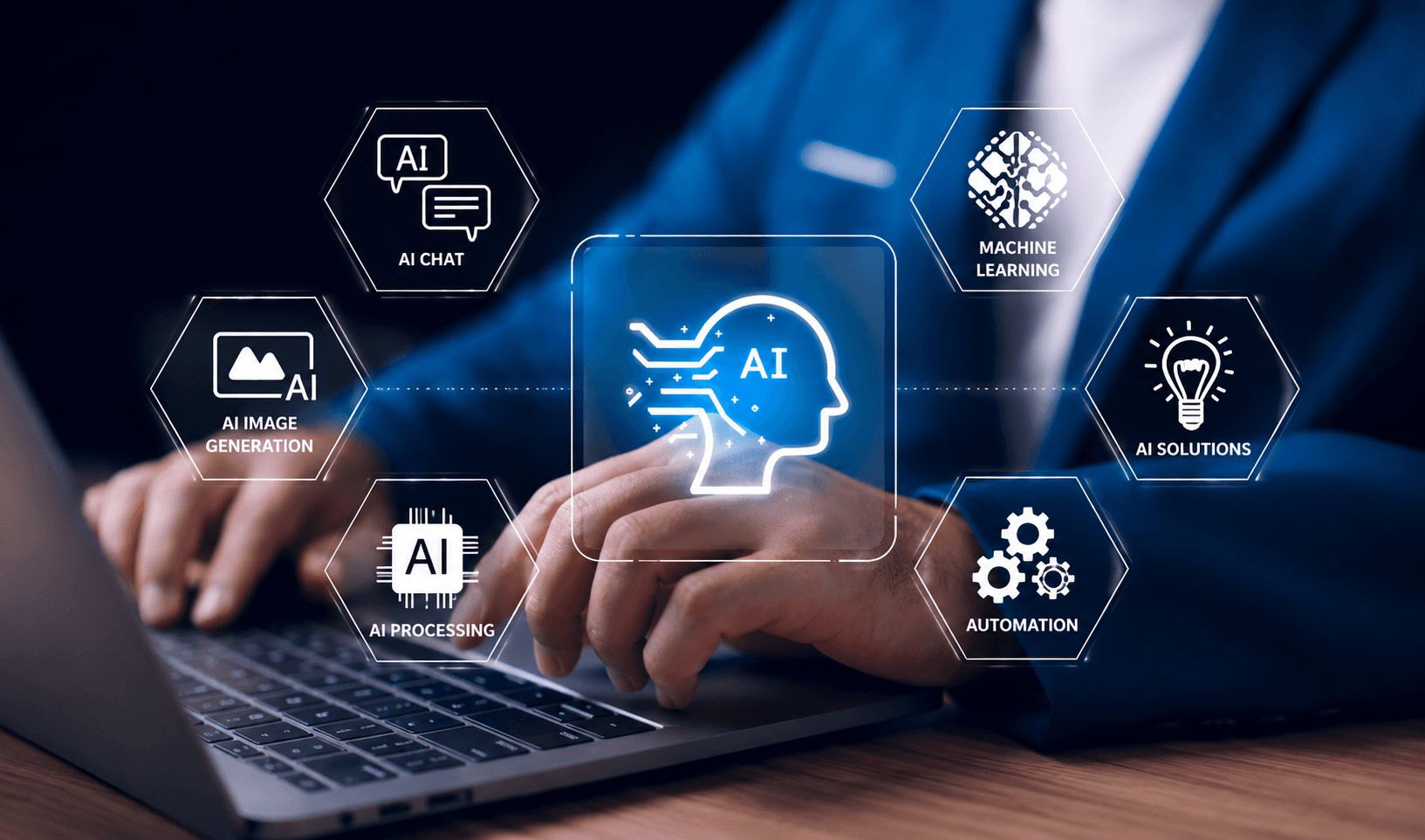
Marketing personalization used to mean inserting a customer's first name into an email. AI has changed what's possible — but it's also made it easier to cross the line from "relevant" to "creepy" if it's not done thoughtfully.
What AI Actually Enables in Marketing
1. Behavioral segmentation. Instead of broad demographic groups, AI can segment customers by actual behavior patterns — browsing habits, purchase history, engagement timing — creating more meaningful groups than age or location alone.
2. Dynamic content personalization. Website content, product recommendations, and email messaging can adjust based on what's known about a specific visitor, rather than showing everyone the same generic experience.
3. Optimal timing and channel selection. AI models can predict when and where a specific customer is most likely to engage, improving the effectiveness of campaigns without increasing volume.
4. Content generation at scale. Variations of ad copy, email subject lines, and product descriptions can be generated and tested faster than manual writing would allow.
Where Personalization Goes Wrong
The most common mistake is personalizing based on surface-level data in an obvious way — repeating a product someone already bought, or referencing browsing behavior too explicitly. This tends to feel intrusive rather than helpful. Effective personalization focuses on genuine relevance: showing someone what they'd actually want to see, without drawing attention to how much is known about them.
Keeping the Human Element
AI can handle the scale and pattern recognition, but brand voice, creative direction, and emotional resonance still benefit from human judgment. The most effective approach uses AI to identify what to say to whom and when, while people continue shaping how it's said.
A Practical Way to Start
Begin with one clear use case — personalized product recommendations, or triggered emails based on specific behavior — rather than attempting to personalize every touchpoint at once. Prove the approach works, then expand it.
Building This Into Your Marketing Stack
Effective AI-driven marketing personalization depends on connecting your marketing tools to clean, well-structured customer data, which often benefits from proper business process automation to keep that data flowing correctly between systems, alongside AI development for the personalization logic itself.
If your marketing feels generic or your personalization efforts aren't translating into results, Aptagon Technologies can help you figure out where AI would actually improve your campaigns. Reach out to discuss your marketing setup.
Key Takeaways
- 1AI personalization is most effective when it feels relevant, not surveillance-like.
- 2Behavioral segmentation produces more meaningful groups than basic demographics.
- 3Brand voice and creative judgment should stay human even as AI handles scale.
- 4Start with one use case, like personalized recommendations, before expanding further.
Related Articles
Frequently Asked Questions
It can, if implemented poorly — generic personalization based only on surface data often feels obvious and off-putting. Done well, using genuinely relevant behavioral signals, it feels helpful rather than intrusive.
Ready to Build Your Next Digital Solution?
Turn your ideas into scalable, intelligent, and impactful digital products with Aptagon Technologies.
Talk to Our Experts →