Why Skipping QA Costs More Than It Saves
Cutting QA to save time or budget often costs far more later in bugs, lost customers, and emergency fixes. Learn why QA is an investment, not overhead.
By Aptagon Technologies · September 12, 2024 · 3 Min Read
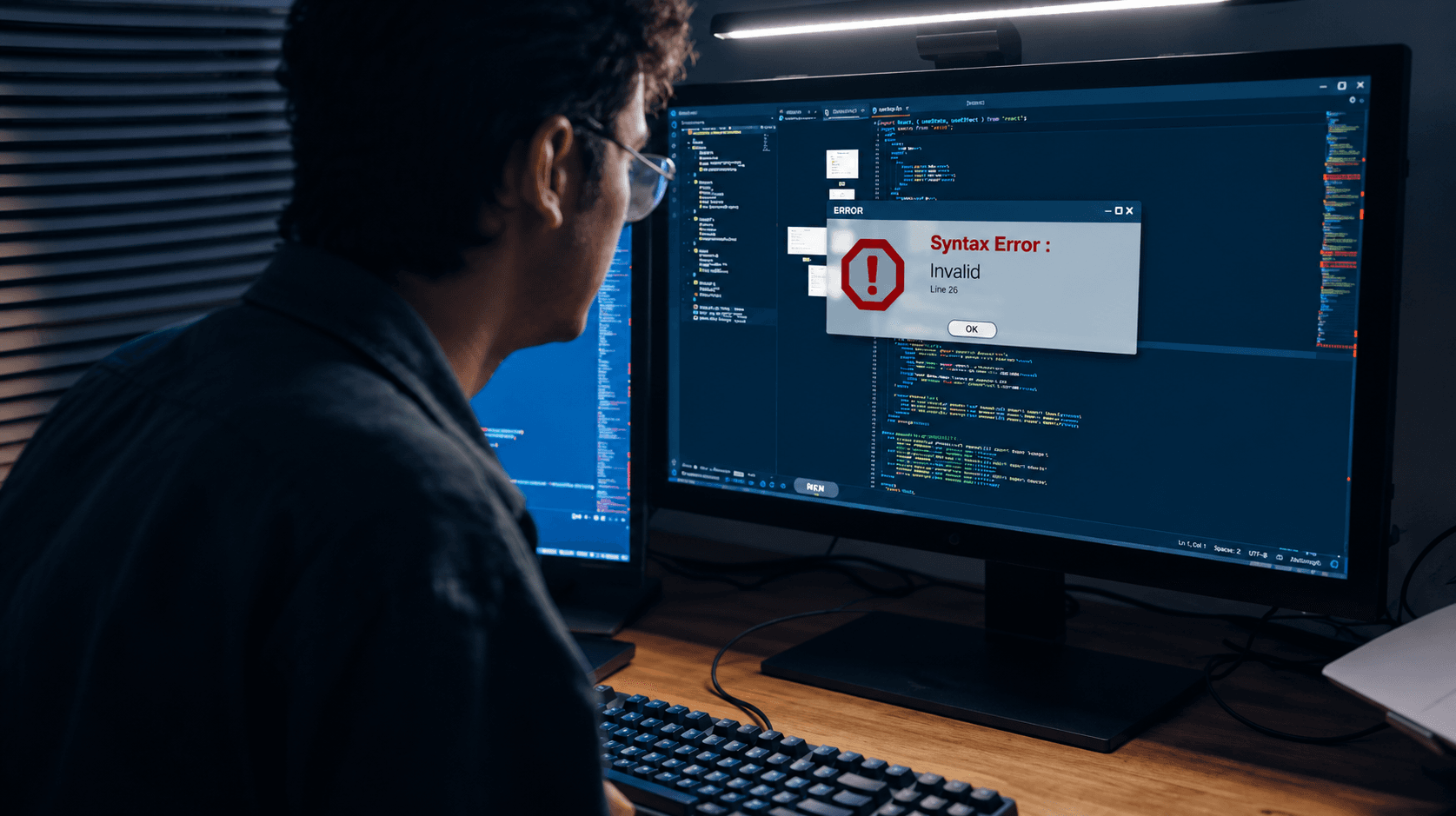
Cutting QA to save time or budget feels like a reasonable shortcut under deadline pressure — until a critical bug reaches production, breaks a customer's workflow, and costs far more in emergency fixes and lost trust than proper testing would have.
Why QA Gets Cut First
QA doesn't produce a visible feature; it produces the absence of problems, which is easy to undervalue when a deadline is looming. This is exactly why it's often the first thing trimmed when a project is behind schedule — and exactly why that decision tends to backfire.
The Real Cost of Skipping QA
1. Bugs reach customers instead of getting caught internally. A bug found by a paying customer costs far more in trust and support time than one caught before launch.
2. Emergency fixes are more expensive than planned testing. Fixing a critical bug under pressure, often disrupting other work, costs significantly more time and stress than catching it earlier through structured testing.
3. Reputation damage compounds. Users who encounter bugs, especially repeatedly, lose confidence in a product — and that trust is far harder to rebuild than it was to maintain in the first place.
4. Technical debt accumulates. Skipping QA on early features often means bugs get built upon by later features, making them more expensive to fix the longer they're left unaddressed.
What Good QA Actually Involves
Functional testing verifies the software does what it's supposed to do. Edge case testing checks how the software behaves with unusual or unexpected inputs. Regression testing ensures new changes haven't broken existing functionality. Usability testing confirms the product is actually easy to use, not just technically functional.
A Practical Approach for Smaller Teams and Budgets
QA doesn't have to mean a large dedicated team. Even a lightweight, consistent testing process — automated checks for core functionality plus manual review of key user flows before each release — catches the majority of critical issues without requiring extensive resources.
Building QA Into the Process, Not Just the End
The most effective approach treats Software Quality Assurance as an ongoing part of development, not a final gate before launch. This is particularly important alongside active custom web development or mobile app development work, where new features should be tested as they're built rather than all at once before a release.
If quality issues are slipping through to your users more often than they should, Aptagon Technologies can help build a QA process that actually fits your team and timeline. Reach out to discuss your situation.
Key Takeaways
- 1Skipping QA to save time usually costs more later in emergency fixes and lost trust.
- 2Structured QA catches edge cases that ad-hoc pre-launch testing typically misses.
- 3A lightweight, consistent QA process is achievable even for small teams.
- 4QA works best as an ongoing practice, not a one-time gate before launch.
Related Articles


Frequently Asked Questions
Yes, at least at a basic level. Even a lightweight QA pass catches critical bugs before they reach users, which matters even more for an MVP where a bad first impression can be costly.
Ready to Build Your Next Digital Solution?
Turn your ideas into scalable, intelligent, and impactful digital products with Aptagon Technologies.
Talk to Our Experts →